
Which Sports Should Use an Artificial Turf Floor?
In modern athletic facilities, flooring is no longer just a surface beneath an athlete's feet; it's a performance tool. Coaches, trainers, and facility managers are increasingly focused on surfaces that support biomechanics, minimize injury risk, and allow athletes to train at high intensity with confidence. For many sports, the artificial turf floor has emerged as a leading solution because it blends durability with engineered performance characteristics that natural or rigid surfaces often struggle to deliver.
From elite training centers to multi-sport complexes, turf systems are being specified with intention. They are selected not only for their resilience under heavy use, but for their ability to create repeatable, controlled training environments. According to Arizton, approximately 2.9 billion square feet of turf will have been sold by 2027. That level of popularity reflects a clear industry shift toward performance-driven flooring systems designed for modern athletics.
Below, we explore which sports benefit most from turf-based surfaces, why those benefits matter to commercial athletic clients, and how specialized turf products such as Plyoturf and Speed and Agility Turf are shaping the future of training environments.
Athletes place extraordinary demands on their bodies, particularly during repetitive training cycles. Surfaces that are too hard can contribute to joint stress and overuse injuries, while inconsistent natural surfaces can limit the precision of drills. A well-designed artificial turf floor offers a balance of shock absorption, energy return, and traction consistency that supports safer and more effective training.
From a facility perspective, turf systems also support high utilization rates. Multiple teams can train on the same surface throughout the day without significant performance degradation. This makes turf an attractive choice for commercial clients seeking long-term performance reliability rather than short-term fixes. When combined with properly engineered underlayment systems, turf flooring becomes a strategic asset rather than a simple finishing material.
Soccer and Futsal Training Environments
Soccer is one of the most natural fits for turf-based systems, particularly in indoor or hybrid training environments. Players require predictable ball roll, secure footing for quick cuts, and a surface that reduces cumulative impact during long training sessions. An artificial turf floor engineered for soccer training can closely replicate the play characteristics athletes expect while offering more consistency than natural grass.
For futsal and small-sided training, turf systems are often optimized to support rapid transitions, tight footwork, and explosive acceleration. Products such as Speed and Agility Turf are frequently specified in these spaces because they are designed to enhance responsiveness during short-burst movements while maintaining sufficient cushioning to protect joints. This allows players to train at full intensity without compromising long-term physical health.
American Football and Multi-Sport Performance Centers
American football places extreme demands on flooring systems. Linemen require traction for explosive starts, skill players depend on stability during sharp directional changes, and all athletes benefit from impact attenuation during contact drills. Turf systems designed for football training environments are typically built with dense fibers and performance pads that manage force distribution effectively.
In multi-sport performance centers, football athletes often share space with competitors from other disciplines. Here, the adaptability of an artificial turf floor becomes especially valuable. With proper line markings and zone planning, the same turf surface can accommodate sprint mechanics, sled pushes, and agility drills without sacrificing safety or performance consistency.
Baseball and Softball Training Facilities
While baseball and softball are traditionally associated with dirt and grass, modern training facilities increasingly rely on turf-based systems for batting cages, infield practice areas, and strength-and-conditioning zones. These sports require surfaces that support rotational movements, lateral shuffles, and repeated throwing mechanics.
A turf system designed for baseball and softball training provides consistent footing during batting and fielding drills while reducing the cumulative stress placed on ankles, knees, and hips. Many facilities integrate Plyoturf into these environments because it is engineered to support plyometric movements and strength-based exercises that are critical to player development. By combining skill training and physical preparation on a unified surface, facilities create more efficient and cohesive training workflows.
Track, Field, and Speed Development Programs
Speed development is a cornerstone of athletic performance across nearly every sport. Track athletes, sprinters, and field sport competitors all rely on surfaces that allow them to apply force efficiently without excessive energy loss. A properly specified artificial turf floor can be tailored to support linear sprinting, resisted running, and multi-directional speed drills.
Speed and Agility Turf systems are commonly used in these environments because they are designed with fiber structures and infill compositions that promote quick ground contact times. This enhances neuromuscular training by reinforcing proper sprint mechanics while reducing the repetitive impact associated with harder surfaces. For facilities focused on athlete development, these characteristics directly translate into improved performance outcomes.
Basketball and Volleyball Training Support Spaces
While hardwood remains the competition standard for basketball and volleyball, turf systems play an increasingly important role in supplemental training areas. Strength training, movement prep, and rehabilitation exercises often take place on turf rather than traditional courts.
In these zones, an artificial turf floor provides a forgiving yet stable platform for jump training, deceleration drills, and core work. Athletes can focus on movement quality without the distraction of excessive joint feedback. Turf also supports integrated training models where court skills and physical conditioning occur in close proximity, improving session efficiency for both athletes and coaches.
Combat Sports and Functional Fitness Applications
Combat sports such as wrestling, mixed martial arts, and martial arts rely heavily on grip, balance, and controlled impact. While mats remain essential, turf systems are often incorporated into adjacent training spaces for conditioning, footwork, and mobility work.
Functional fitness programs similarly benefit from turf flooring. Sled pushes, crawling patterns, and dynamic carries are all better supported on turf than on hard surfaces. An artificial turf floor in these environments allows athletes to perform high-intensity movements with reduced risk of abrasion and joint overload, supporting both performance and longevity.
Rehabilitation and Sports Medicine Facilities
Rehabilitation professionals increasingly recognize the value of turf systems in return-to-play programs. Athletes transitioning from injury need surfaces that provide predictable traction and progressive loading without sudden impact spikes.
Turf-based rehab zones allow clinicians to reintroduce running, cutting, and sport-specific drills in a controlled environment. Plyoturf is often selected in these settings because it supports low-amplitude plyometrics and controlled strength movements, helping athletes rebuild confidence and capacity. By integrating turf into rehabilitation workflows, facilities create a smoother bridge between therapy and full athletic participation.
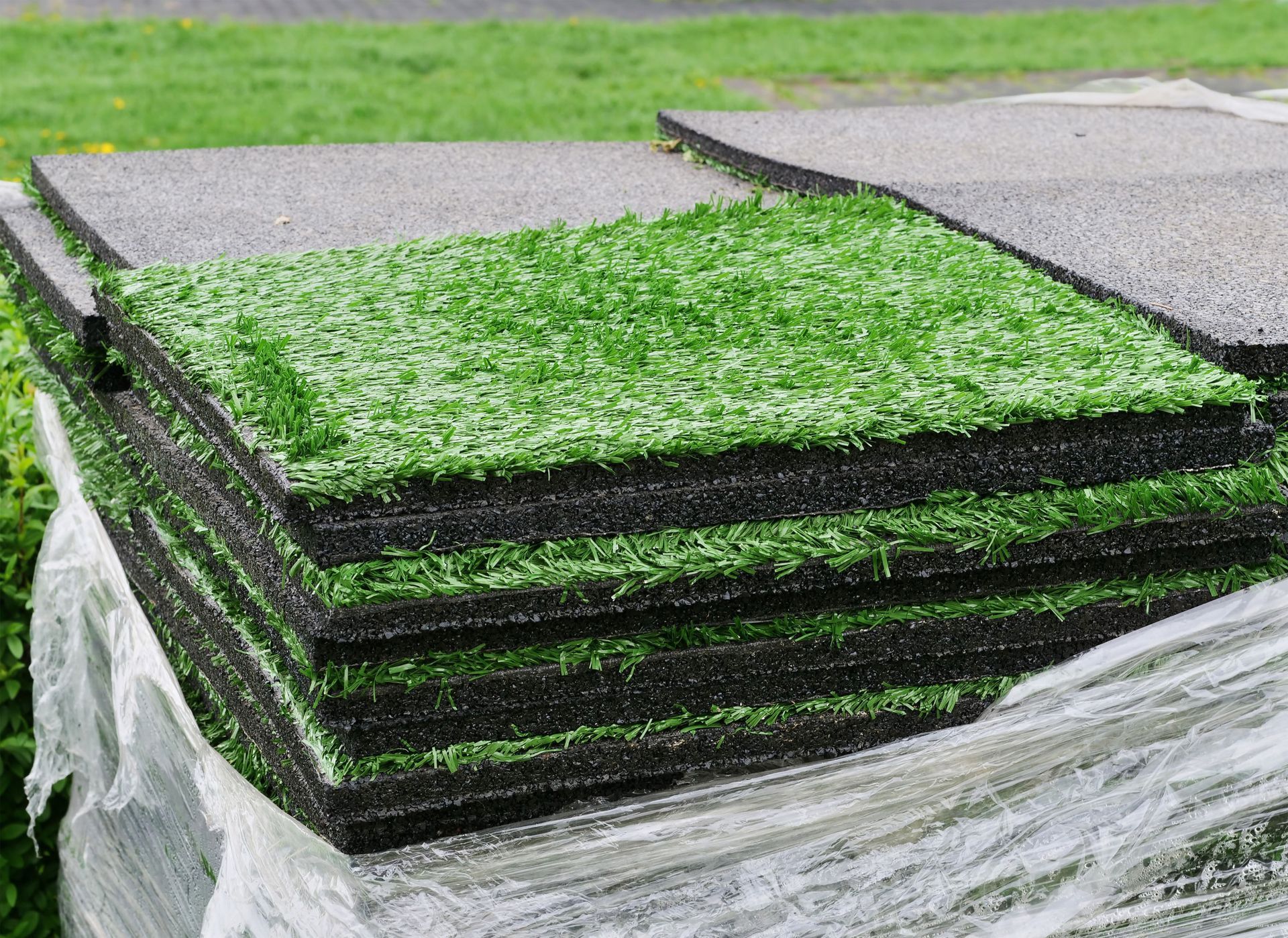
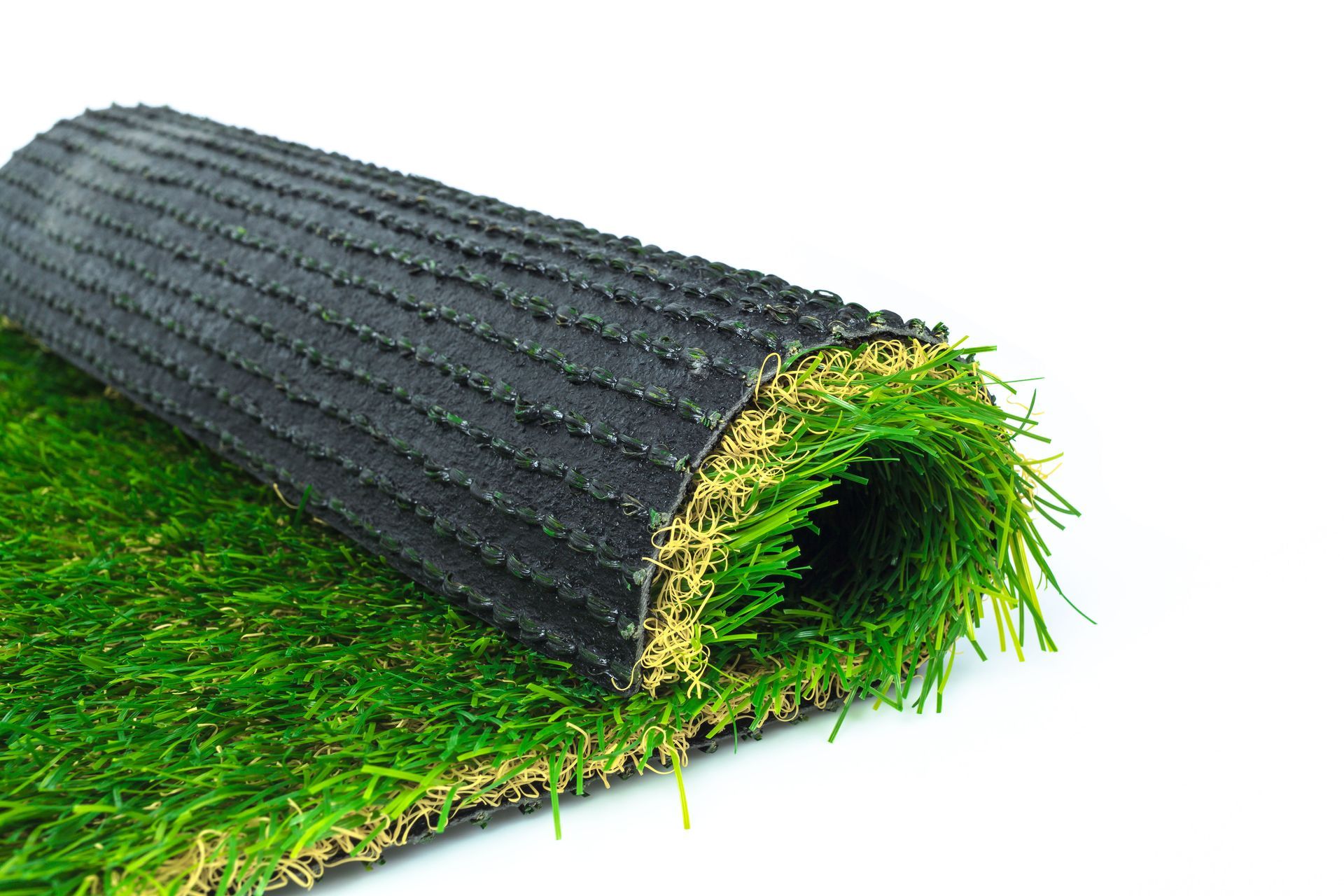
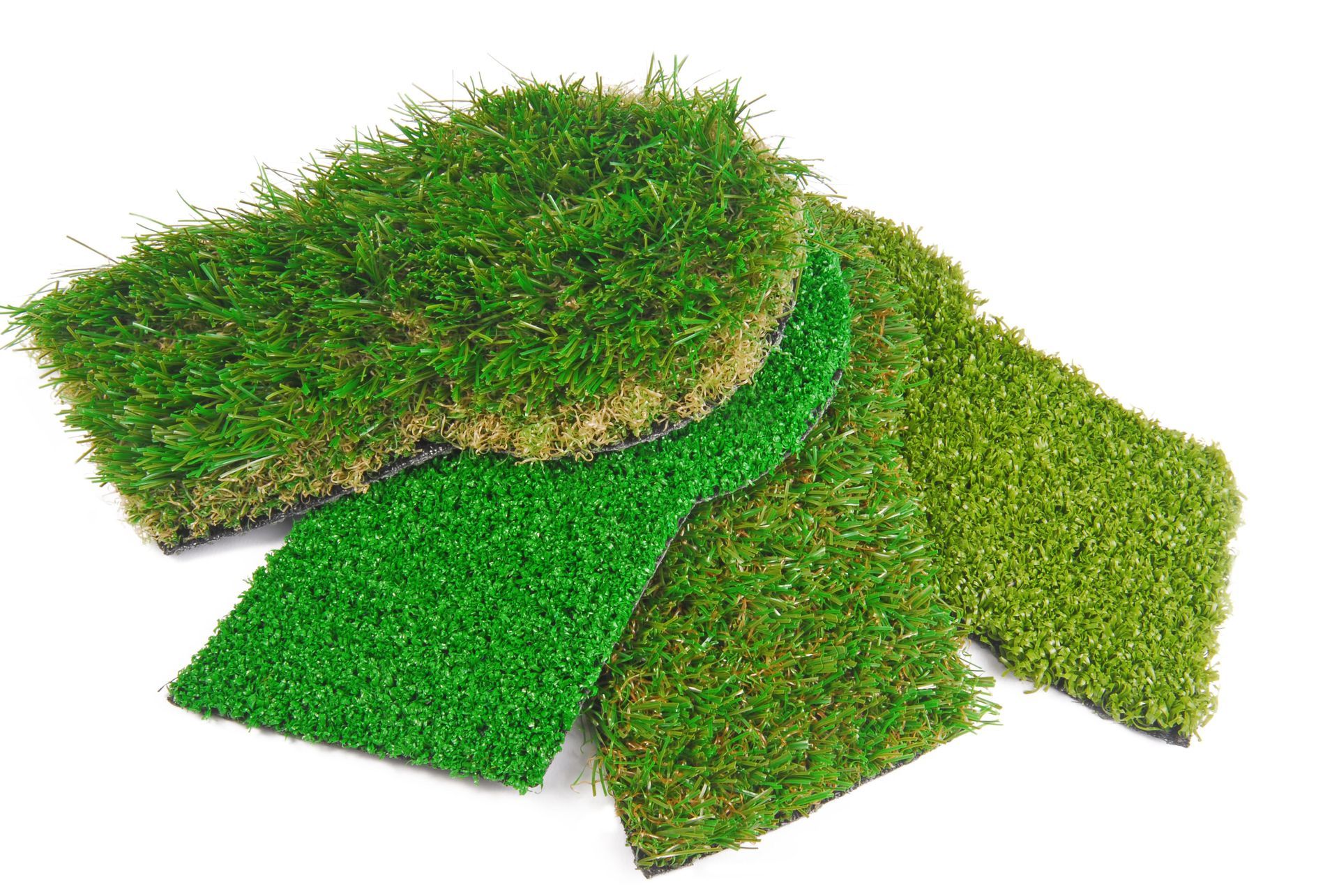
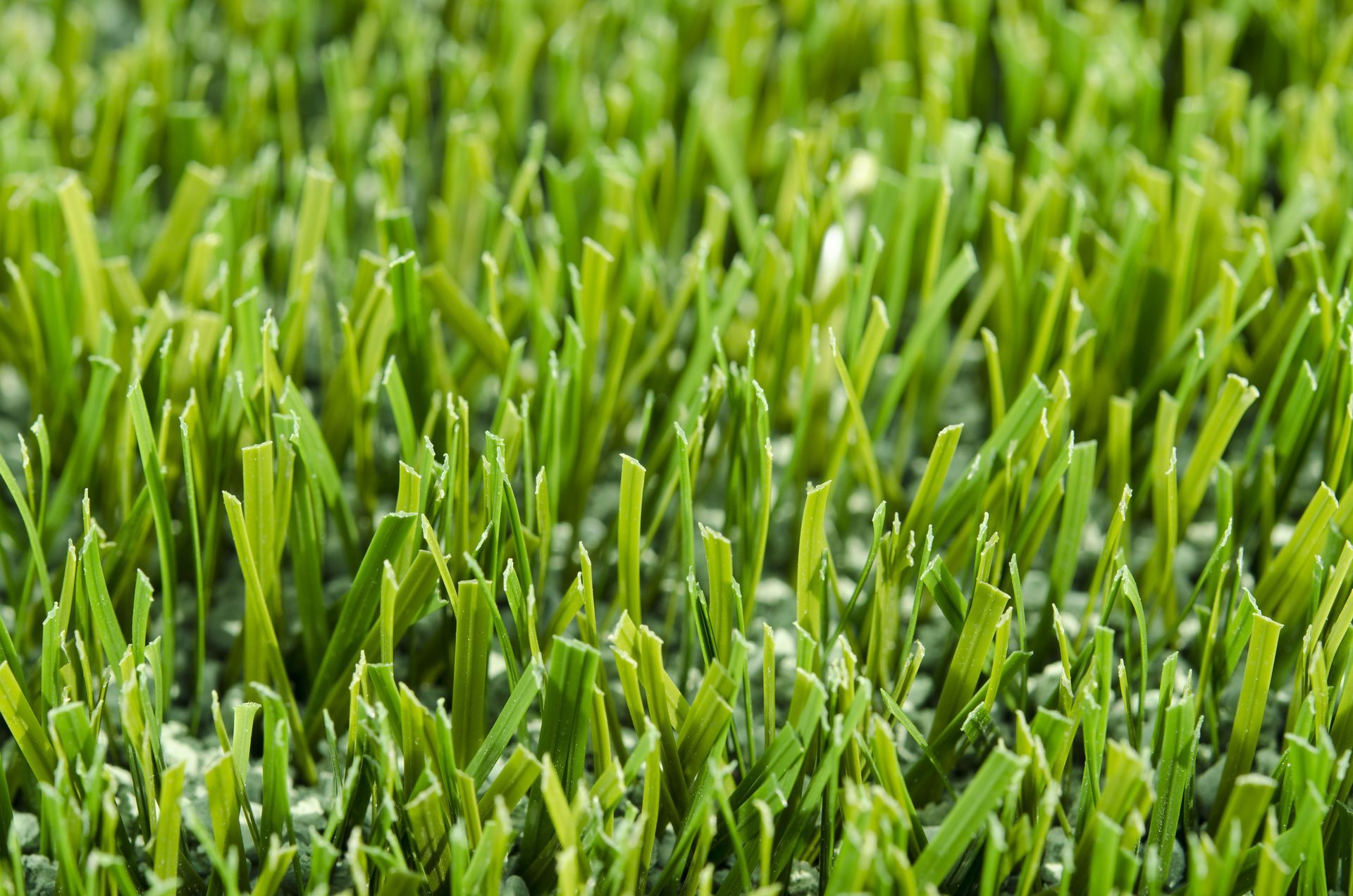
One of the most important considerations for commercial athletic clients is understanding that not all turf is created equal. Performance-driven turf systems are engineered from the ground up, with fiber height, density, infill, and shock-absorbing layers all contributing to the final outcome.
A turf floor designed for athletic performance is fundamentally different from decorative or landscape turf. It must accommodate high loads, repetitive stress, and dynamic movement patterns without breaking down or altering performance characteristics. By working with experienced sports flooring providers, facilities can ensure that their turf systems align with the specific demands of the sports they serve.
Across all sports, the common thread is the need for environments that support sustainable training. Reducing joint stress, improving movement efficiency, and maintaining consistent performance conditions are essential for long-term athlete development. Turf systems address these needs by providing reliable surfaces that athletes can trust day after day.
As training methodologies continue to evolve, the artificial turf floor has become a foundational element in performance-focused facility design. Its versatility allows it to adapt to changing programming needs while continuing to deliver measurable benefits to athletes at every level.
From soccer and football to baseball, speed training, and rehabilitation, turf-based systems have proven their value across a wide spectrum of athletic applications. The key lies in selecting the right type of turf for the specific demands of each sport and training objective. Products like Plyoturf and Speed and Agility Turf demonstrate how specialized engineering can directly enhance athletic outcomes when properly applied.
For commercial athletic clients, investing in well-designed turf systems is about more than surface coverage; it's about creating environments where athletes can train harder, recover better, and perform at their highest potential. If you want durable turf systems that keep athletes performing at their best year-round, reach out to RS Sports Surfaces today for expert services.
Share On: