7 Myths About Artificial Turf Flooring You Should Stop Believing
Artificial turf has come a long way from its early versions, yet misconceptions still shape how people perceive it. Many facility managers, coaches, and athletic directors hesitate to explore installation because of outdated assumptions about safety, cost, and performance. Working with experienced artificial turf flooring installers helps clarify what modern systems actually offer. These professionals provide solutions tailored to indoor sports facilities, training centers, and performance environments, ensuring durability and consistent playability.
From improved materials to enhanced shock absorption systems, artificial turf now meets the demands of high-performance athletic use. Understanding the facts allows decision-makers to make informed choices that support long-term value and athlete safety. Gaining accurate insights helps eliminate hesitation and supports smarter facility planning.
1. Exploring Environmental Impact Misconceptions
One of the most common myths is that artificial turf harms the environment. In reality, modern indoor turf systems are designed with efficiency and sustainability in mind. Many products use recyclable materials, and installation reduces the need for ongoing resource use, such as watering or chemical treatments. This shift helps minimize environmental impact while maintaining a consistent playing surface year-round.
While water conservation is often associated with outdoor use, indoor turf eliminates the need for any irrigation systems entirely. According to LawnStarter, the average artificial grass project covers about 500 square feet of yard, which emphasizes how resource-heavy natural grass can be by comparison. Indoor athletic facilities benefit from avoiding these demands altogether.
By working with artificial turf flooring installers, facility operators can choose systems that align with long-term efficiency goals while maintaining durability. These installations also reduce the need for harsh cleaning chemicals, contributing to a safer indoor environment for athletes and staff. This makes turf a practical option for facilities focused on performance and operational efficiency.
2. Examining Health and Safety Concerns
Concerns about health risks often stem from outdated information about early turf products. Today’s artificial turf systems follow strict manufacturing guidelines to ensure safety for athletes in indoor environments. Materials are tested to meet industry standards, and many include non-toxic infill options that support performance without compromising well-being.
Artificial turf also creates a controlled surface that reduces exposure to common irritants found in natural grass fields. There is no pollen, mud, or uneven ground, which can contribute to a more predictable playing experience. This makes turf a practical option for training facilities, gyms, and multi-use sports spaces.
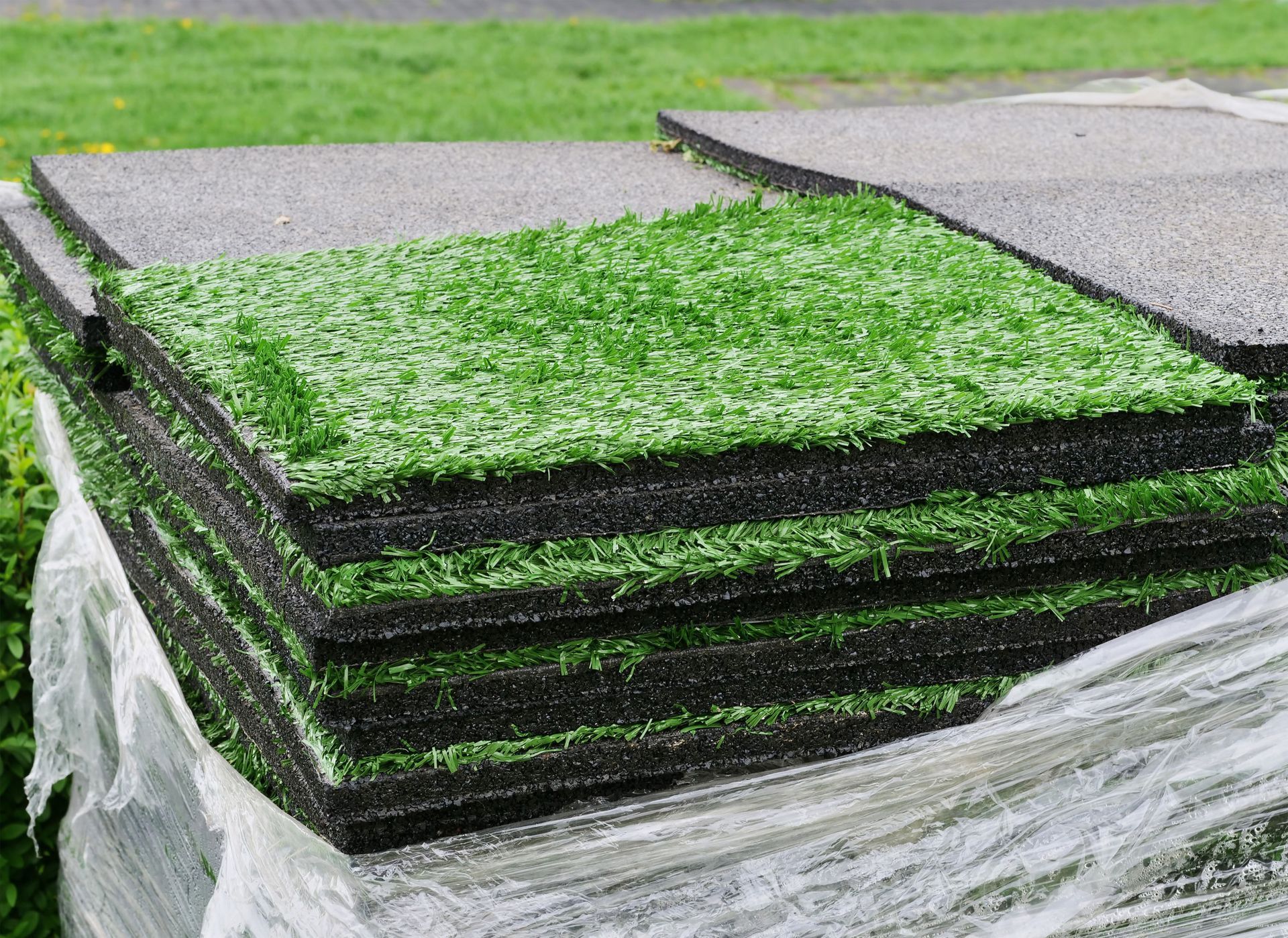
Experienced artificial turf flooring installers understand how to select and install systems that align with athlete safety expectations. Proper installation ensures shock absorption, traction, and consistent footing, all of which contribute to injury prevention. These improvements continue to support wider adoption across indoor sports facilities.
3. Recognizing Maintenance Requirements Clearly
Another widespread myth is that artificial turf requires no maintenance at all. While it significantly reduces upkeep compared to natural grass fields, some routine care is still necessary. Simple tasks such as removing debris, sanitizing surfaces, and brushing fibers help maintain performance and appearance.
Indoor turf eliminates the need for mowing, watering, and fertilizing, which simplifies facility management. However, regular cleaning is important to maintain hygiene standards, especially in high-traffic athletic environments. This ensures the surface remains safe and ready for consistent use.
Artificial turf flooring installers often provide maintenance guidelines tailored to indoor sports applications. Their recommendations help extend the lifespan of the turf while preserving performance characteristics. This balance of efficiency and upkeep makes turf a reliable solution for busy athletic facilities.
4. Evaluating Realistic Appearance Improvements
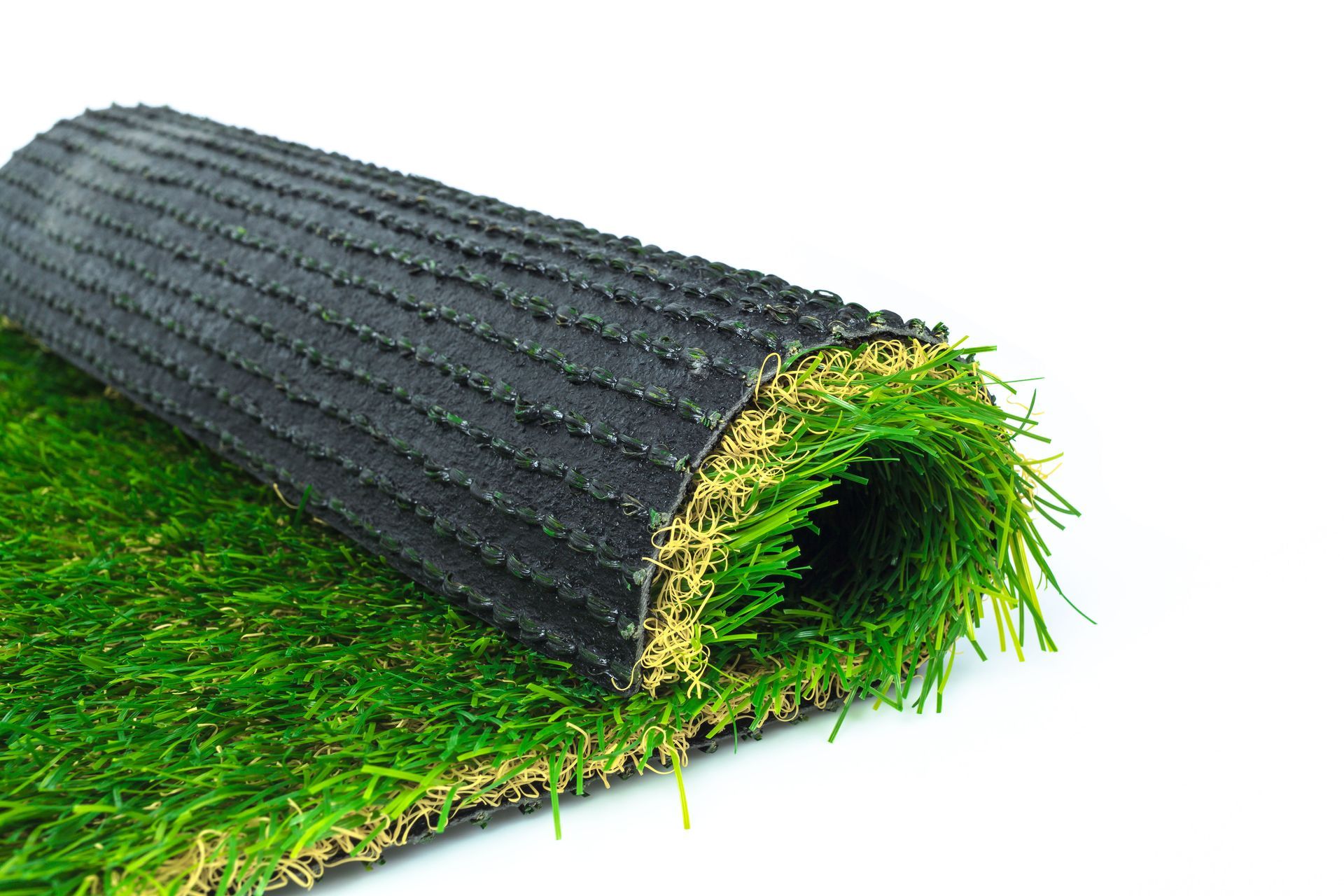
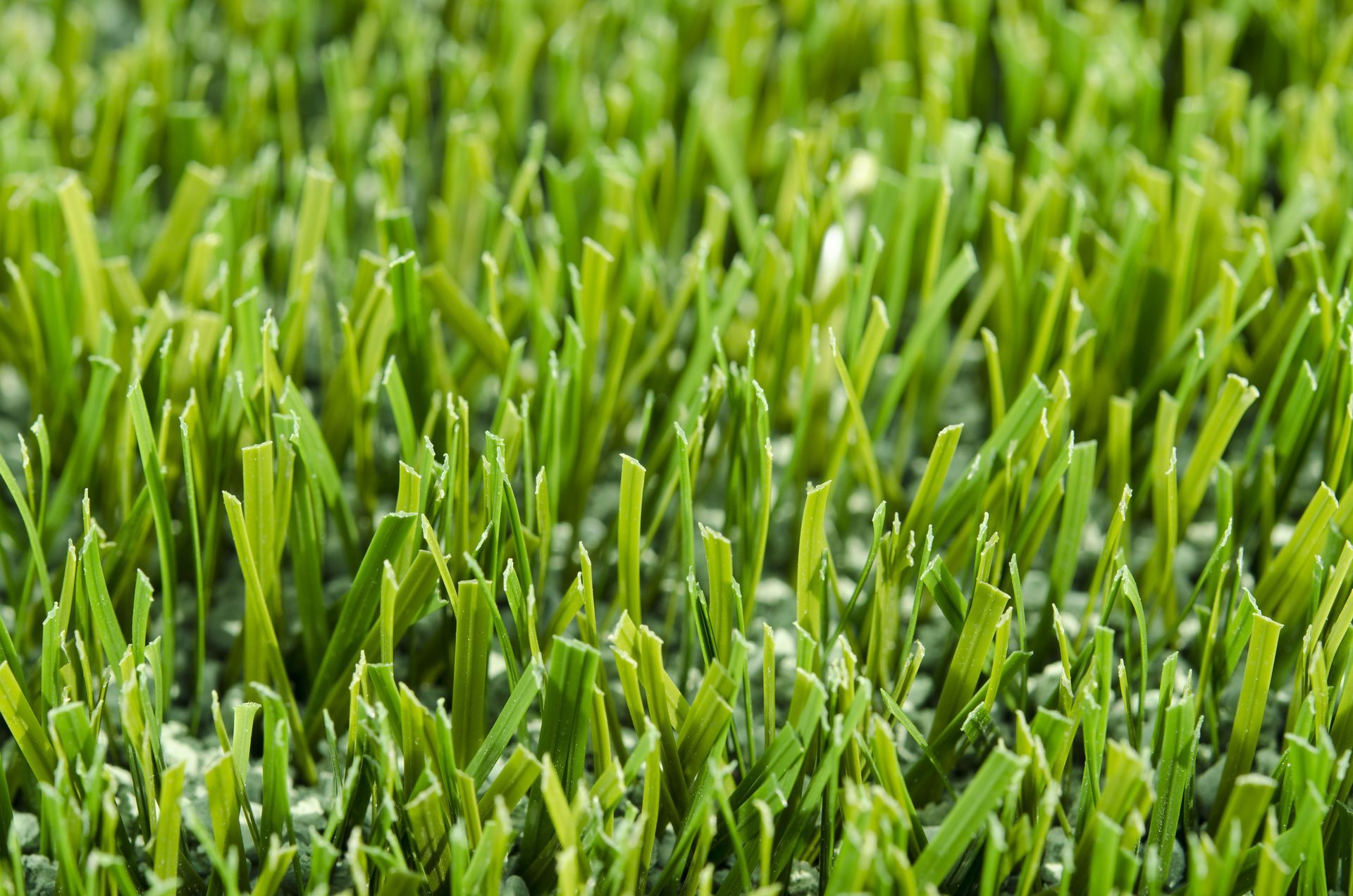
Some people believe artificial turf looks overly synthetic, but modern designs have significantly improved its appearance. Today’s turf products feature realistic textures and structured fibers designed specifically for athletic performance. These advancements create a professional look that enhances the overall feel of indoor training environments.
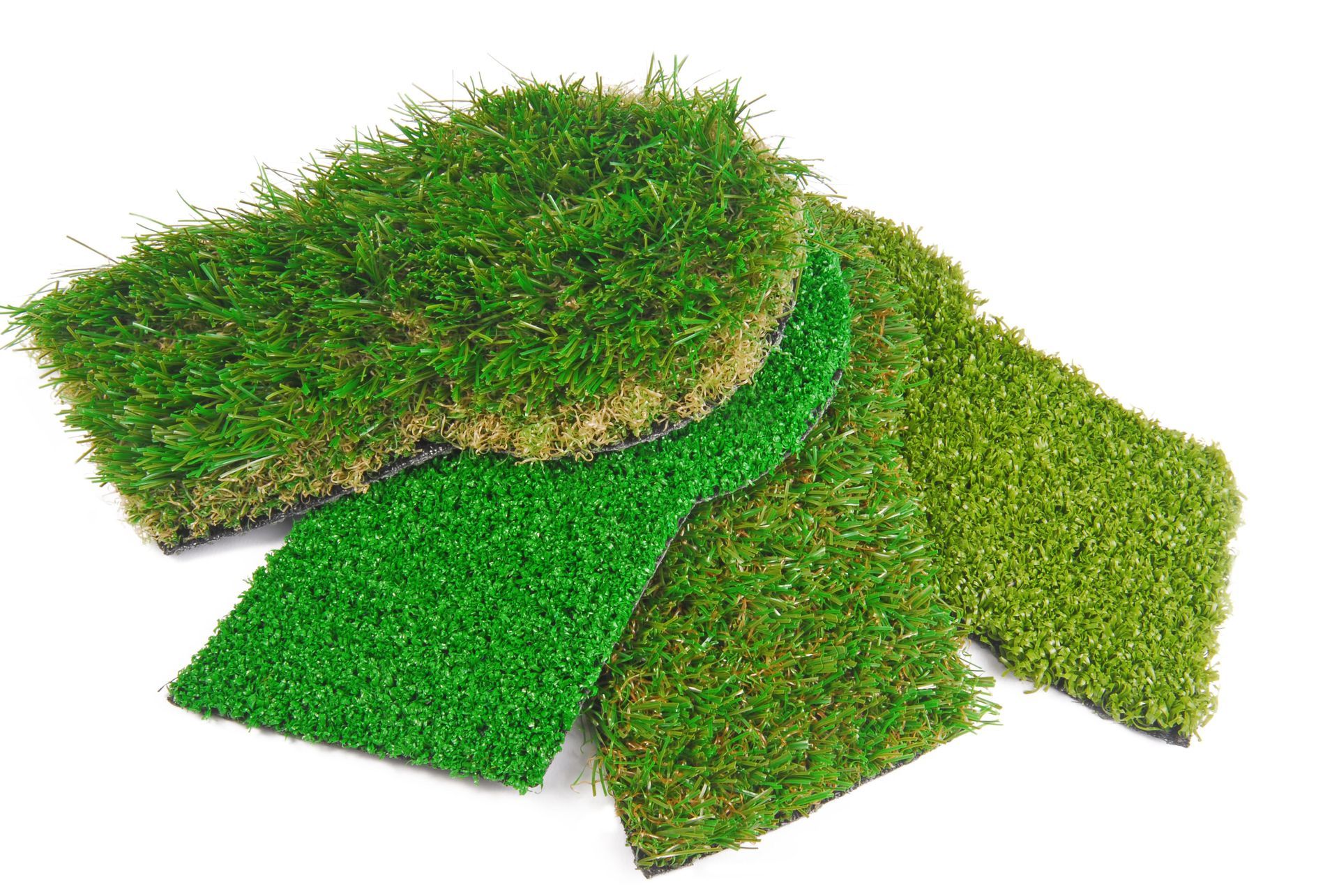
Customization options allow facilities to choose turf systems based on sport-specific needs, including pile height, density, and cushioning. Whether for strength training, agility drills, or multi-sport use, turf can be tailored to support different activities. This flexibility makes it a valuable addition to performance-focused spaces.
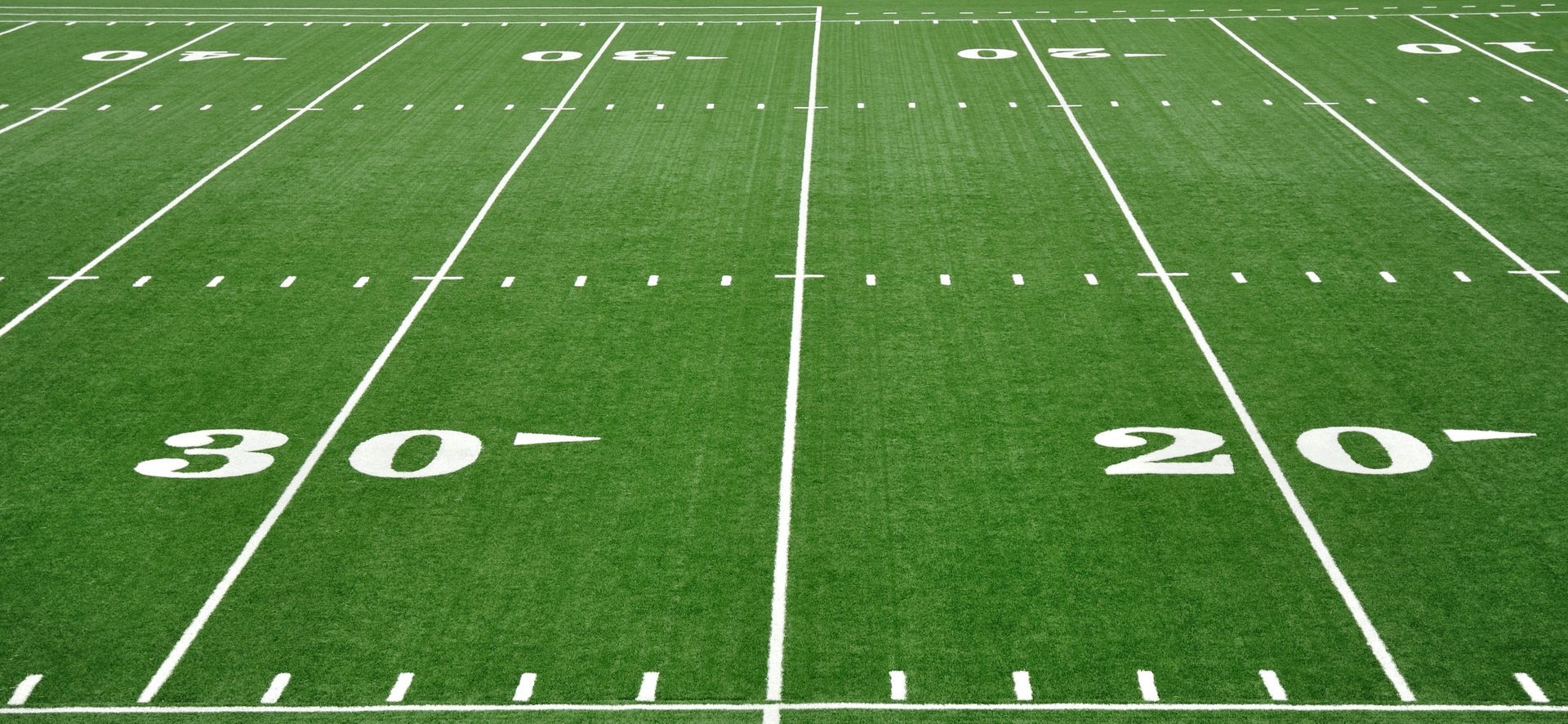
Artificial turf flooring installers play a key role in achieving a clean and professional finish. Proper installation ensures smooth seams, consistent surfaces, and accurate field markings when needed. These visual and functional improvements continue to elevate indoor athletic spaces.
5. Analyzing Cost and Long-Term Value
The initial cost of artificial turf can seem higher than some traditional flooring options, but this perspective often overlooks long-term value. Turf eliminates recurring expenses tied to maintaining natural grass or replacing worn-out surfaces frequently. Over time, these savings can offset the upfront investment.
Durability is a major factor in cost efficiency. High-quality turf systems are designed to withstand intense training, repeated impact, and heavy foot traffic. This reduces the need for frequent repairs or replacements, making it a practical choice for athletic facilities.
Artificial turf flooring installers can help facility owners evaluate costs based on usage, space size, and performance requirements. By considering installation and long-term durability, they provide a clearer understanding of overall value. This approach supports more strategic budgeting decisions.
6. Expanding Applications Within Indoor Sports Facilities
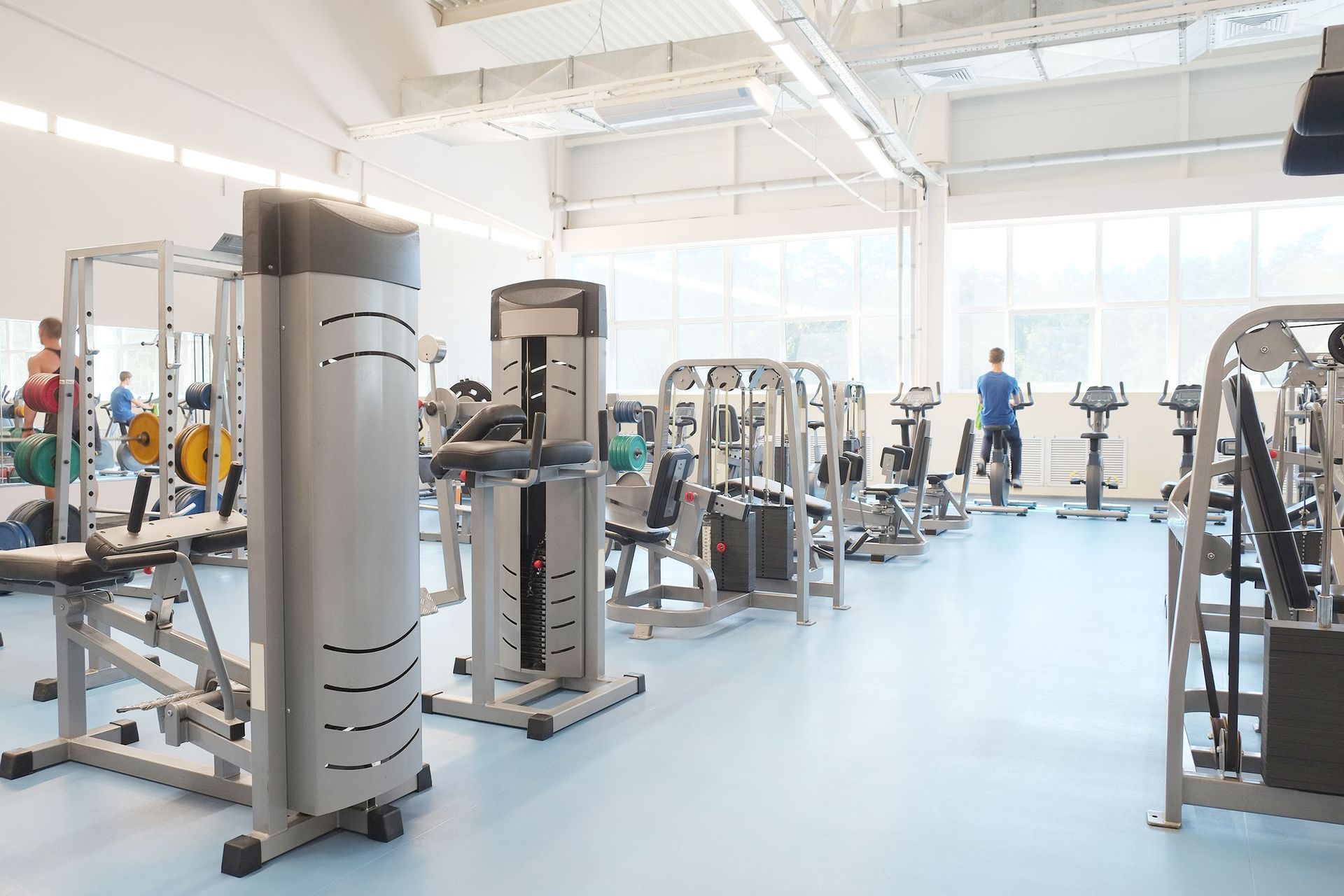
Artificial turf is often associated with large stadiums, but its use extends across a wide range of indoor athletic environments. Training centers, gyms, and performance facilities all benefit from its versatility. Turf provides a stable, high-performance surface suitable for various workouts and sports activities.
Facilities use turf for sprint lanes, strength training zones, and functional fitness areas. Its durability and traction make it ideal for drills that require quick movement and repeated impact. This adaptability allows facilities to maximize space while supporting diverse training programs.
Artificial turf flooring installers design systems that align with specific athletic needs. Whether for speed training or general fitness, turf installations can be customized to enhance usability and performance. This versatility continues to drive demand in indoor sports settings.
7. Understanding Installation Quality
The success of any artificial turf project depends heavily on installation quality. Proper base preparation, subfloor considerations, and material selection all contribute to the final result. Poor installation can lead to uneven surfaces, reduced shock absorption, and a shorter lifespan.
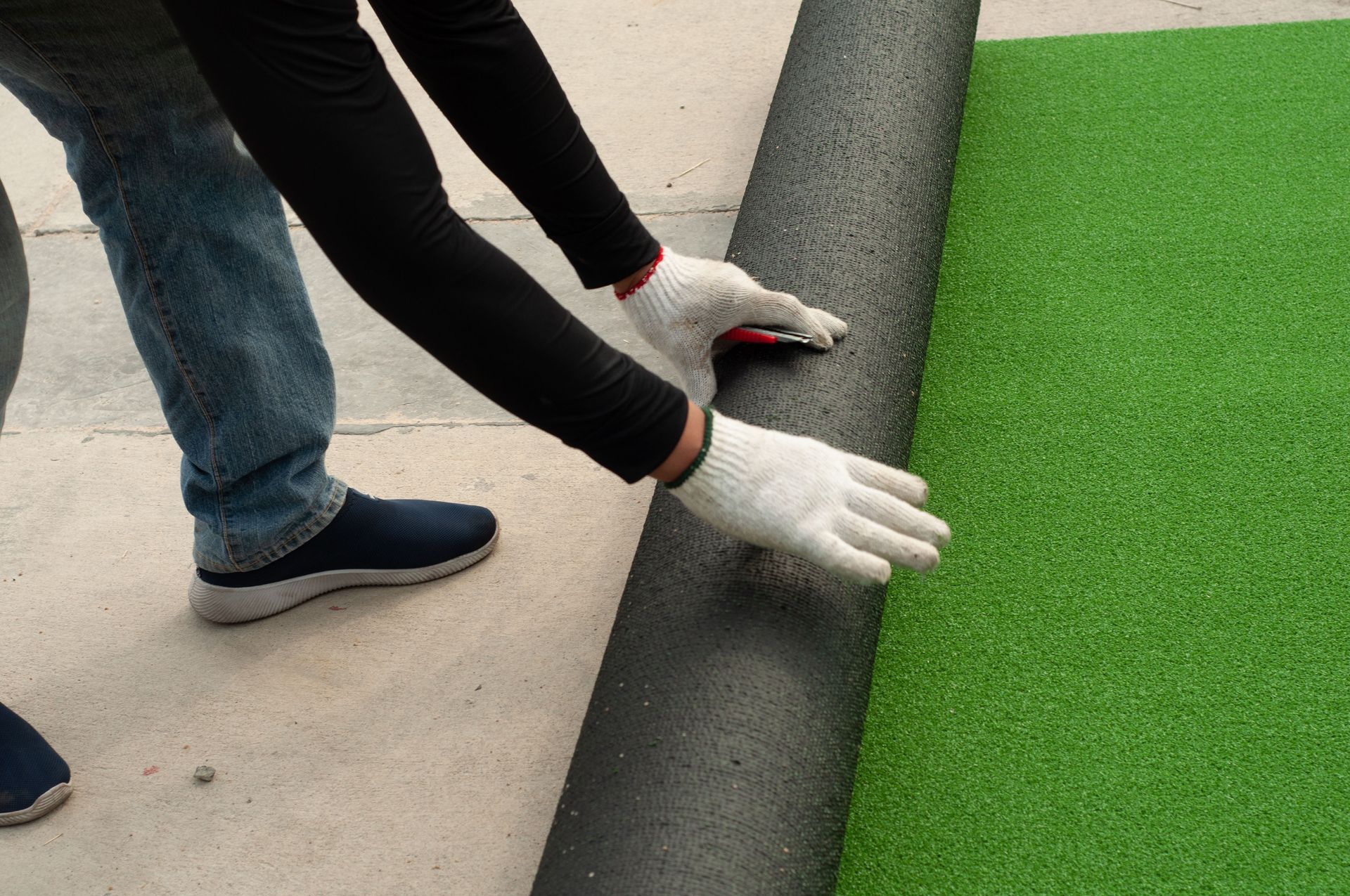
Professional artificial turf flooring installers follow proven methods to ensure long-lasting performance. They secure the turf correctly, address seams with precision, and ensure proper cushioning where needed. This attention to detail helps maintain safety and consistency across the surface.
Choosing experienced installers also provides access to expert guidance throughout the project. From selecting the right system to understanding maintenance needs, their expertise supports reliable outcomes. Strong installation practices directly impact athlete performance and facility longevity.
Artificial turf continues to evolve, offering practical solutions for modern indoor sports facilities. By addressing common myths, decision-makers can better understand how these systems deliver durability, safety, and consistent performance. Advances in materials and installation techniques have made turf a reliable choice for athletic environments.
Working with artificial turf flooring installers ensures that each project is completed with precision and aligned with performance goals. Their expertise helps facilities create spaces that support athletes while maintaining long-term value. With proper planning and care, artificial turf provides a dependable foundation for training and competition.
This combination of innovation and reliability makes artificial turf a strong option for performance-driven spaces. For a reliable upgrade that enhances both function and performance, connect with RS Sports Surfaces today to explore your artificial turf options.
Share On: