The Ultimate Buyer's Guide to Choosing an Indoor Turf Floor
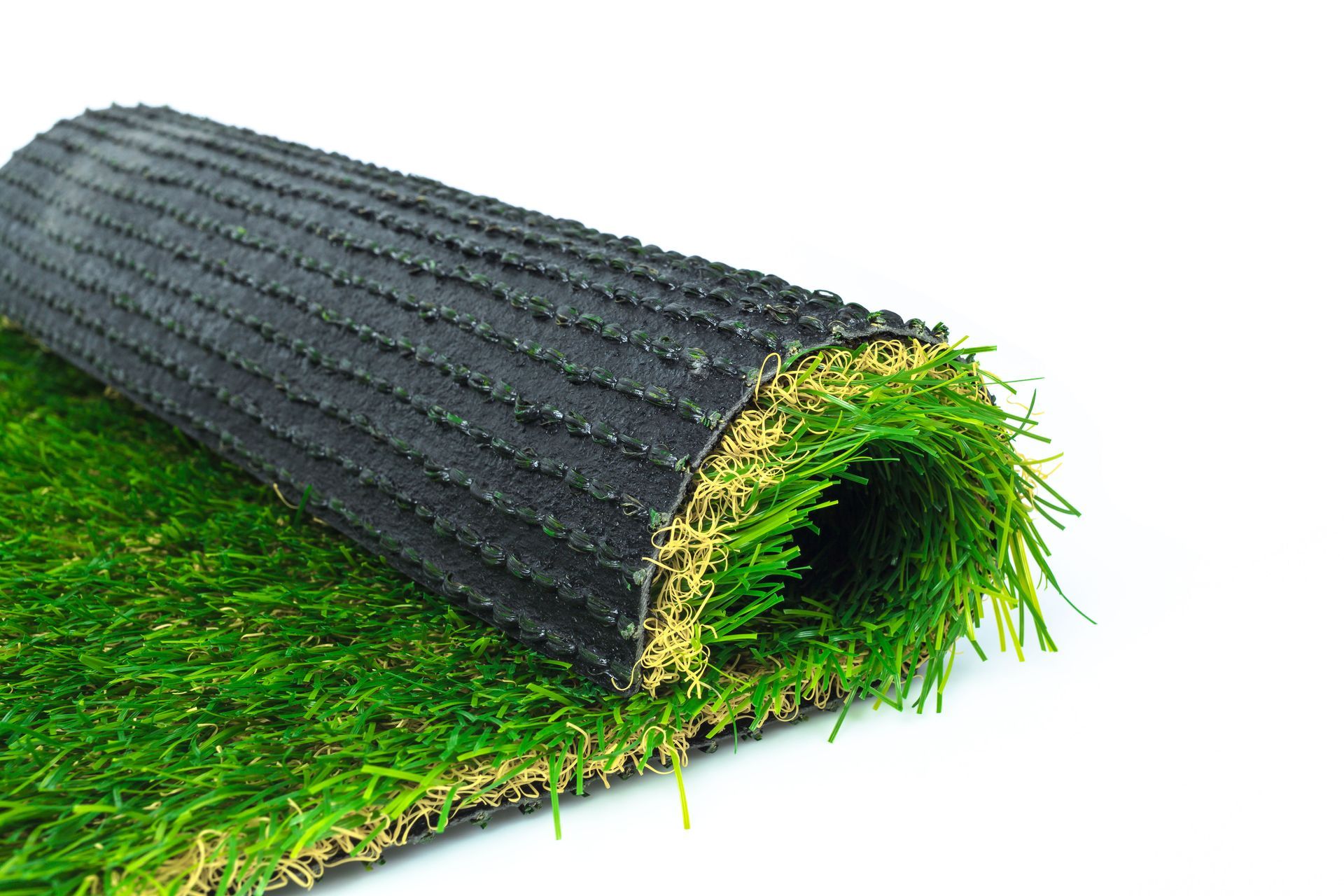
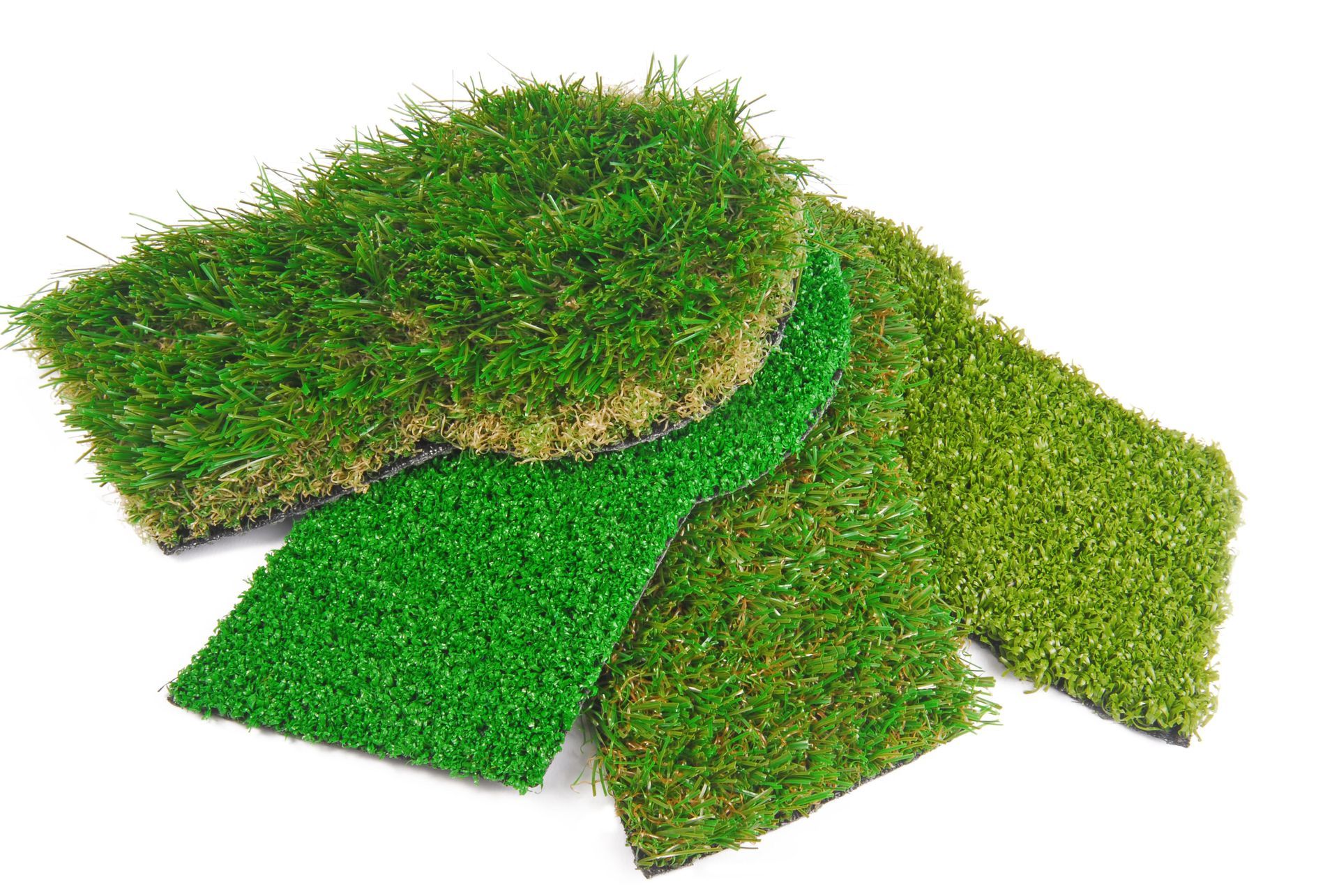
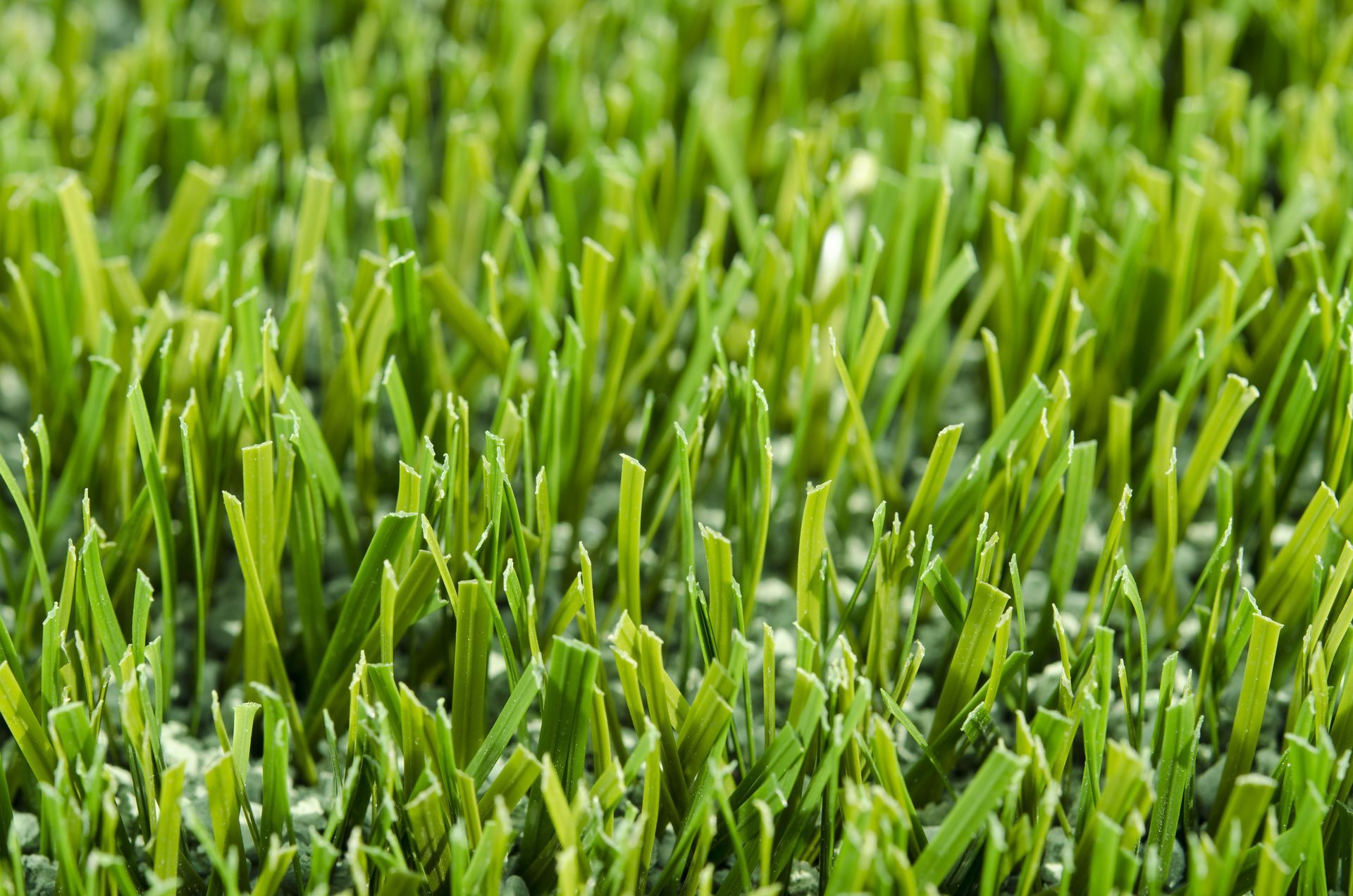
Synthetic surface materials primarily utilize polyethylene, polypropylene, or nylon fibers to recreate the structural resiliency and feel of real grass. Modern production techniques weave these durable polymers into a backing system designed to withstand repeated foot traffic, heavy equipment, and athletic impacts. Gyms, commercial training facilities, and private residences utilize an indoor turf floor to combine visual appeal with long-term functional durability. By replacing hard concrete or rubber with a synthetic grass surface, facilities establish a versatile environment tailored for sprinting, sled training, and multi-directional agility drills. Understanding the engineering behind synthetic fibers helps facility owners select the right product density and pile height. Polyethylene fibers are soft to the touch, minimizing friction burns during floor exercises or agility drills while retaining impressive shape recovery.
Maximizing Safety and Impact Protection
Installing a synthetic grass surface significantly lowers injury risks compared to traditional hard surfaces or natural outdoor fields. According to Turfix, choosing synthetic turf systems reduces overall injury rates by 55% compared to conventional playing environments. The built-in cushioning layer absorbs shock, minimizing stress on athlete joints during high-impact plyometric workouts and heavy sled pushes. Additionally, an indoor turf floor eliminates the need for watering, harmful chemical fertilizers, and complex weed management, providing a low-maintenance, hypoallergenic surface that keeps indoor air clean and free from harsh allergens.
Beyond joint protection and impact attenuation, the non-slip traction offered by synthetic turf fibers minimizes dangerous slips during explosive lateral movements. Unlike smooth rubber mats that can become slick when wet with sweat, synthetic turf maintains consistent grip under heavy athletic use. Furthermore, the absence of soil and biological growth eliminates mold spores, pollen, and damp odors that frequently plague natural indoor turf arrangements.
Expanding Commercial and Residential Applications
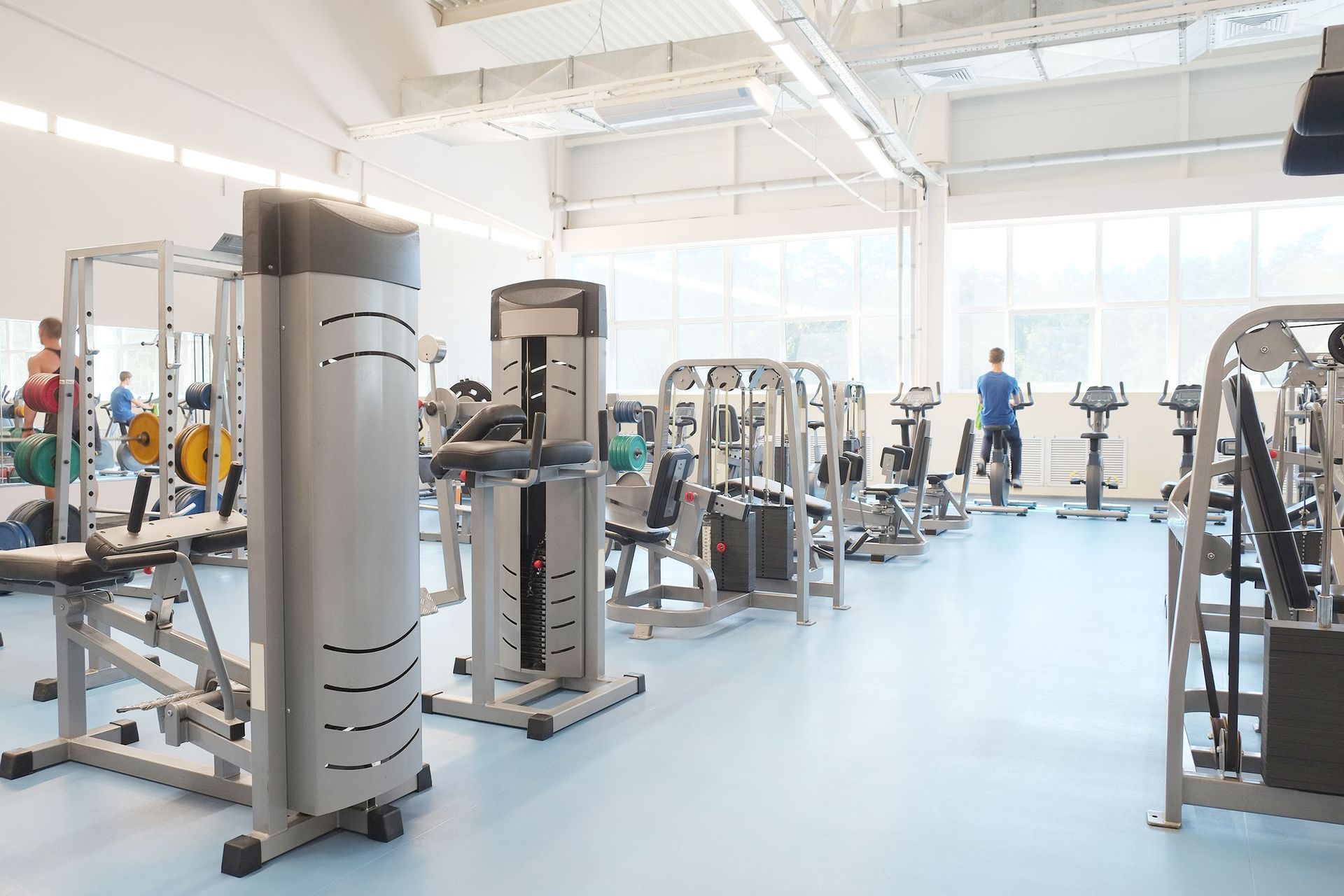
Synthetic flooring surfaces offer remarkable versatility across a wide range of athletic and commercial environments. Fitness clubs, functional training centers, and home gyms install these surfaces to create dedicated zones for weightlifting, stretching, and sled pulling. Commercial offices, child care centers, and retail showrooms also incorporate synthetic turf to design unique, vibrant green areas that handle daily foot traffic with ease. Implementing an indoor turf floor across these diverse spaces establishes a durable, non-slip foundation that maintains its aesthetic appeal even under continuous daily use.
In residential settings, synthetic turf turns underutilized basements, garages, and spare rooms into professional-grade home training spaces. Parents frequently choose padded turf for children's playrooms due to its shock-absorbing nature and ease of cleaning. In commercial facilities, custom color options and inlaid logo capabilities allow gym owners to brand their turf tracks, creating visually striking sprint lanes that elevate the professional image of their business.
Evaluating Polyethylene, Nylon, and Polypropylene Fibers
Choosing the right synthetic material depends directly on the specific demands of your space. Polyethylene is the most widely selected material because it offers a realistic balance of softness and durability, making it ideal for multi-purpose athletic training. Nylon represents the strongest and most resilient option available, handling extreme weight and heavy foot traffic without matting down, though it carries a higher price tag. Polypropylene serves as an economical choice for decorative or low-impact zones. Assessing these distinct material characteristics ensures that your chosen indoor turf floor aligns perfectly with your facility's daily operational demands.
When evaluating fiber types, it is equally vital to consider pile face weight and blade shape. Higher face weight indicates a denser concentration of synthetic fibers per square yard, which directly translates to superior cushioning and extended surface longevity. Fiber shapes, ranging from flat and C-shaped blades to memory-foam-infused structures, determine how quickly the turf springs back after being compressed under heavy loads like weighted sleds, kettlebells, or squat racks.
Selecting Materials Based on Traffic and Use
Determining primary usage patterns is essential for choosing the proper pile height, fiber density, and backing construction. High-traffic commercial facilities require heavy-duty nylon or dense polyethylene systems that resist flattening under heavy sleds and constant foot traffic. Lower-traffic home spaces or decorative installations can utilize lighter polypropylene models without sacrificing visual quality. Selecting a durable indoor turf floor that matches your traffic intensity prevents premature fiber degradation, reduces long-term repair expenses, and ensures the surface retains its traction and shock-absorbing properties for years to come.
Facility owners must also account for the type of foot traffic and equipment being introduced to the space. For example, if athletes are wearing cleated footwear for sport-specific indoor training, a deeper pile height with infill may be required to simulate field conditions. Conversely, for general fitness training involving flat-soled sneakers, cross-trainers, or bare feet, a short, dense pile height (typically 3/8 inch to 1/2 inch) without infill provides a smooth, stable surface that allows weighted sleds to glide without snagging the fibers.
Balancing Upfront Costs With Product Longevity
Calculating the total investment for a synthetic surface requires evaluating initial material costs alongside long-term durability. High-grade nylon options carry a higher upfront cost per square foot, yet their extreme wear resistance yields a lower cost per year over an extended operational lifespan. Polyethylene provides a balanced mid-range investment with excellent durability for most fitness applications. Balancing initial product pricing against expected lifespan allows facility managers to choose an indoor turf floor that stays within budget while delivering optimal performance.
To accurately gauge long-term value, buyers must look beyond the initial purchase price and incorporate installation labor, underlayment materials, adhesives, and routine maintenance tools into their budgeting framework. While budget-friendly options can save money initially, they often degrade quickly under heavy commercial usage, leading to seam splitting, fiber shedding, and premature replacement expenses within just a few years. Investing in premium materials backed by strong manufacturer warranties ensures long-term ROI and lower life-cycle operational costs.
Preparing Subfloors and Interlocking Substrates
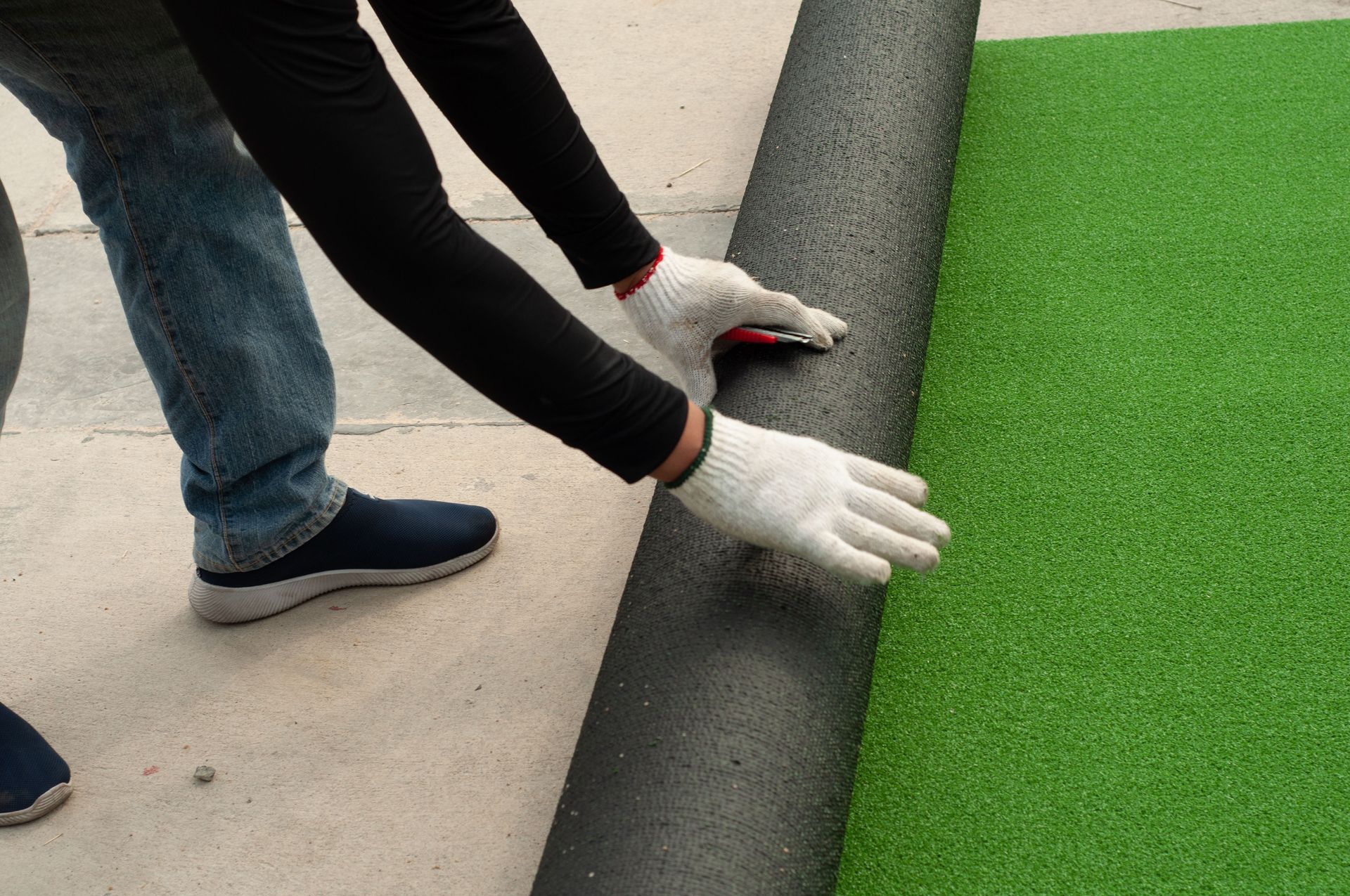
Thorough subfloor preparation is critical for establishing a level, stable, and long-lasting installation. Installers must clean concrete or wooden subfloors thoroughly, removing dust, moisture, and debris that could compromise adhesive bonding. Installing a high-density shock pad or underlayment beneath the turf enhances joint protection and structural stability. Whether using permanent polyurethane adhesives or modular interlocking tile systems, proper base preparation prevents surface buckling, seam separation, and uneven wear across high-impact training zones.
Addressing subfloor moisture is another vital aspect of prep work. Concrete slabs located on ground level or in basements often emit moisture vapor that can break down standard glues over time, causing synthetic surfaces to ripple or lift at the seams. Applying a moisture barrier or vapor-retarding primer prior to installation seals the concrete, guaranteeing that heavy-duty adhesives form a permanent bond.
Executing Routine Care and Maintenance
Maintaining synthetic surfaces requires a consistent routine to preserve fiber resilience and hygiene. Regular sweeping or vacuuming with a non-beater-bar attachment removes loose dust, dirt, and chalk before particles settle deep into the backing. Promptly blotting liquid spills with mild, non-abrasive detergent prevents fiber staining and lingering odors. Implementing simple preventive protocols, such as enforcing proper athletic footwear and placing protective mats beneath heavy static equipment, keeps the surface clean, sanitized, and functioning at peak performance.
Deciding to install synthetic turf elevates the safety, functionality, and visual appeal of any modern athletic or commercial space. By carefully evaluating material types, traffic demands, subfloor preparation, and routine maintenance practices, facility owners can select a long-lasting surface that maximizes performance and return on investment. Transforming your facility with a high-performance, professional-grade surface is easy when working with industry experts. To explore top-tier synthetic surface options and request a custom project quote, contact RS Sports Surfaces.
Share On: