
Are Your Athlete Floors Up to Today's Safety Standards?
Athletic spaces have changed a lot over the years, but one thing has stayed constant: the need for safe, reliable flooring. Whether it is a school gym, training facility, or community center, the condition of athlete floors directly affects how people move, train, and compete. It is not just about appearance or durability anymore—it is about reducing risk and supporting performance in a meaningful way.
If you manage or maintain a sports facility, it is worth asking a simple question: are your athlete floors actually meeting today’s expectations? Modern standards go beyond basic installation and require ongoing attention to safety, performance, and compliance. This article breaks down what matters most and how to make informed decisions that protect athletes while keeping your facility competitive.
Understanding The Role of Athlete Floors in Preventing Injury
Athlete floors are not passive surfaces; they actively influence how the body absorbs impact and responds to movement. Every jump, pivot, and sprint places stress on joints and muscles, and the floor determines how that stress is distributed. When flooring is designed correctly, it reduces strain and supports natural motion patterns.
Poor flooring, on the other hand, can increase the likelihood of injuries that develop over time. Athletes may not notice the issue immediately, but repeated stress adds up quickly. That is why modern safety standards focus heavily on performance characteristics rather than just materials.
Facilities that prioritize well-designed athlete floors often see fewer injury complaints and better overall athlete confidence. When the surface feels consistent and supportive, athletes can focus on performance instead of worrying about footing or impact.
Identifying The Risks Associated With Outdated or Worn Surfaces
It is easy to overlook flooring issues because they develop gradually. Small cracks, uneven spots, or worn finishes might not seem urgent at first, but they can quickly turn into safety concerns. Even minor inconsistencies can disrupt movement patterns and increase the risk of slips or missteps.
Moisture is another common problem that affects traction. When surfaces lose grip, athletes compensate in ways that can lead to muscle strain or sudden injuries. Over time, these risks compound, especially in high-traffic facilities.
According to a peer-reviewed epidemiology study published in PMC in 2025, nearly half of all sports-related injuries—about 47.6%—were linked to the playing surface. That statistic highlights how critical athlete floors are in the broader safety equation. It is not just about equipment or training; the surface itself plays a major role in injury prevention.
Evaluating The Impact of Surface Quality on Athletic Performance
Performance and safety are closely connected, and flooring plays a role in both. When athlete floors provide the right balance of traction and cushioning, athletes can move more efficiently. This translates to better speed, control, and endurance during training and competition.
On inconsistent or overly rigid surfaces, athletes often adjust their movements subconsciously. These adjustments can reduce performance and increase fatigue over time. In competitive environments, even small inefficiencies can make a noticeable difference.
Facilities that invest in high-quality athlete floors often see improvements in both performance metrics and user satisfaction. Athletes feel more confident, and coaches can push training intensity without worrying about unnecessary risk.
Assessing The Financial Risks of Ignoring Safety Standards
Ignoring flooring standards does not just create safety issues—it also creates financial exposure. Injuries tied to facility conditions can lead to liability concerns, insurance complications, and potential legal claims. These costs can escalate quickly, especially if issues are ongoing or well-documented.
There is also the impact on reputation. Facilities known for poor conditions often struggle to attract teams, events, or long-term memberships. Word travels quickly, and safety concerns can influence decision-making at every level.
Upgrading athlete floors may seem like a significant investment upfront, but it often prevents larger expenses later. When you factor in reduced maintenance issues, fewer disruptions, and improved user retention, the long-term value becomes clear.
Exploring The Evolution of Standards and Material Innovation
Athletic flooring has come a long way from basic wood and concrete surfaces. Today’s systems are engineered with specific performance goals in mind, combining materials that enhance shock absorption, durability, and consistency. This evolution has been driven by both research and real-world experience.
Modern standards are shaped by data on athlete movement, injury patterns, and environmental conditions. These insights have led to more precise guidelines for installation, maintenance, and performance testing. As a result, facilities now have clearer benchmarks to follow.
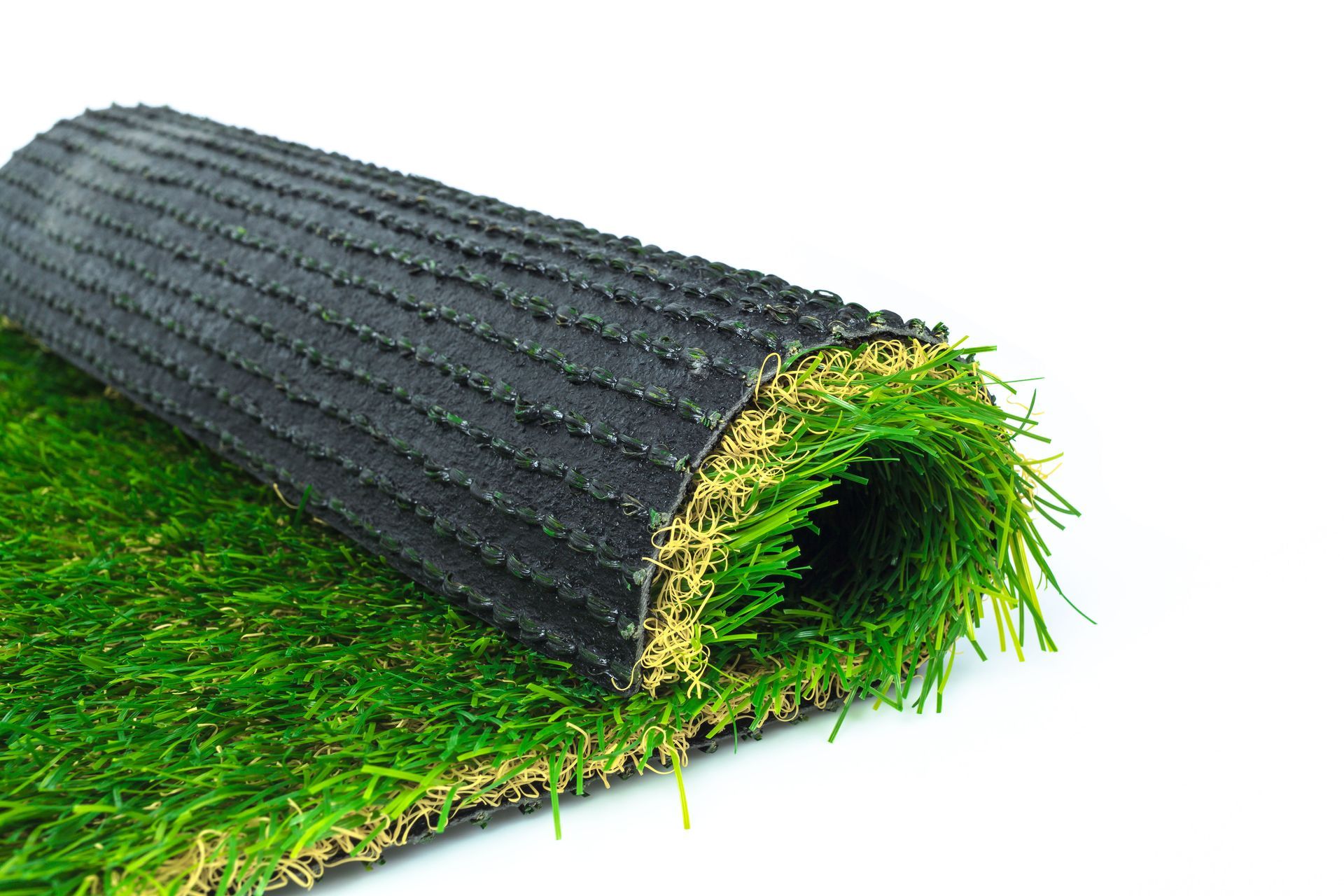
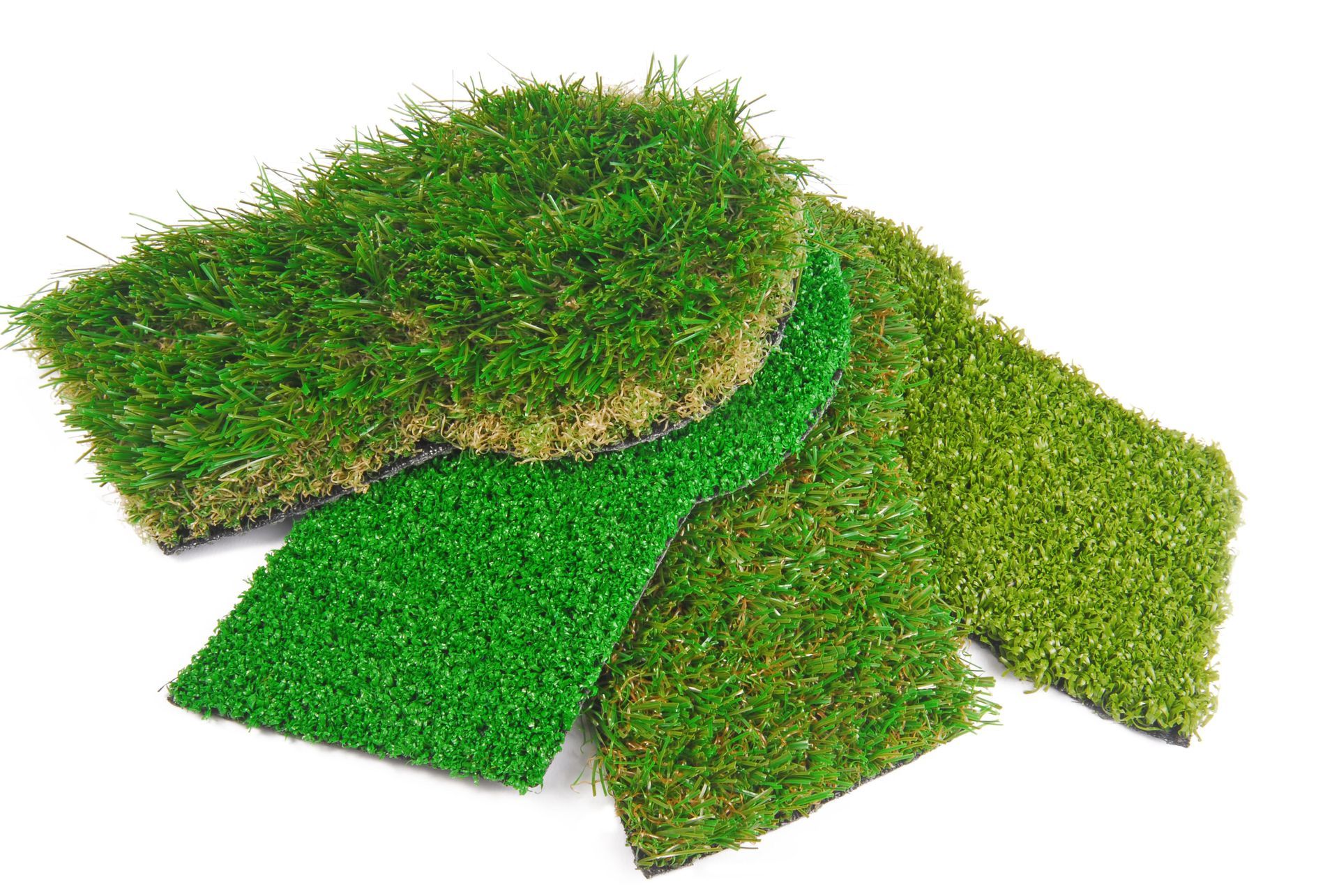
Material innovation continues to push the industry forward. From advanced synthetic layers to hybrid systems, today’s athlete floors are designed to meet the demands of multiple sports while maintaining consistent safety standards.
Selecting The Right Materials for Durability and Performance
Choosing the right flooring material depends on how the space is used. Hardwood remains a popular choice for certain sports due to its responsiveness and traditional feel. However, synthetic options offer flexibility, especially in multi-use facilities.
Materials like rubber and polyurethane provide strong shock absorption and require less intensive maintenance. They are often used in high-traffic environments where durability is a priority. At the same time, newer systems allow for customization based on sport-specific needs.
The key is balancing performance with practicality. Athlete floors should support the intended activities while also fitting within maintenance capabilities and budget constraints. A well-informed material choice can extend the life of the floor and improve overall safety outcomes.
Maintaining The Standards Through Inspection and Upkeep
Installing high-quality flooring is only part of the process. Ongoing maintenance is what keeps athlete floors performing as intended. Regular inspections help identify early signs of wear, allowing facilities to address issues before they become serious.
Cleaning routines are especially important for maintaining traction. Dirt, dust, and moisture can all affect surface performance if not managed properly. Establishing a consistent schedule helps prevent these problems from building up.
Refinishing or resurfacing may also be necessary over time, depending on the material. These updates restore key performance features and extend the lifespan of the flooring system. Facilities that stay proactive with maintenance typically avoid larger, more costly repairs.
Partnering With Experts for Installation and Upgrades
The quality of installation has a direct impact on how well athlete floors perform. Even the best materials can fall short if they are not installed correctly. That is why working with experienced professionals is critical.
Qualified contractors understand the technical requirements involved in creating a safe, consistent surface. They can also recommend solutions based on specific facility needs, from sport type to usage levels. This level of expertise helps ensure long-term performance.
When it comes to upgrades, professional guidance becomes even more valuable. Evaluating existing conditions and identifying the most effective improvements requires a detailed understanding of both materials and standards. The right partner can simplify this process and deliver better results.
Athlete safety starts from the ground up, and flooring plays a larger role than many facilities realize. From injury prevention to performance support, athlete floors influence nearly every aspect of the athletic experience. Keeping up with modern standards is not just a recommendation—it is a responsibility.
By understanding risks, evaluating materials, and committing to proper maintenance, facilities can create environments that support both safety and performance. Small improvements can make a meaningful difference over time, especially when they are part of a consistent strategy.
If you are evaluating your current setup or planning an upgrade, now is the time to take a closer look at your flooring and make informed decisions that protect athletes and strengthen your facility—start by connecting with RS Sports Surfaces.

Share On: